Cross section of a diamond anvil cell. Illustration by Tobias1984.
Improved imaging of the Earth’s interior has unlocked new subsurface mysteries, including an area 600 miles (1,000 kilometers) down where the mantle’s usual flow pattern changes.
Now, at a lab bench on the planet’s surface, a team of researchers might have found the reason why.
No one expects the machinery of progress to roll backwards, but sometimes it seems that no one is watching the speedometer (or manning the brakes, assuming any exist). Is this a fair assessment? If so, should we be worried — and what can we do about it?
In this feature, experts on technology, risk, science, policy and neuroscience discuss risk, innovation and how our values affect our conceptions of both.
Freon tanks await recycling. Image courtesy U.S. Environmental Protection Agency.
Stable, nontoxic refrigerants changed the world, transforming food storage, expanding Sun Belt populations, even helping early movie theaters succeed. But they also wrecked the ozone layer — Earth’s shield against harmful ultraviolet radiation.
Today, as stockpiles dwindle — and prices rise — due to phase-outs set by the Montreal Protocols 30 years ago, the future of Freon and its successors remains in doubt.
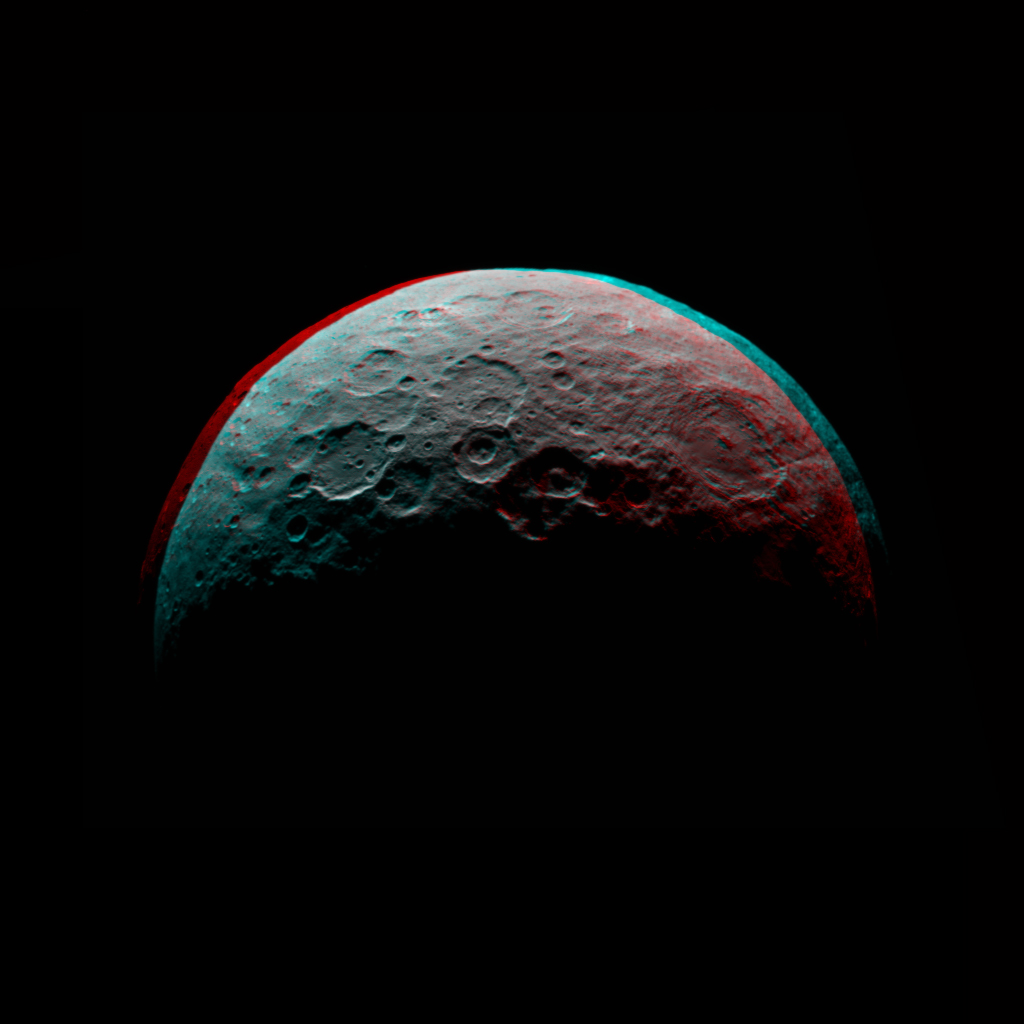
After 4 billion years, the dwarf planet Ceres is still carrying a surprising amount of water weight — as much as 30 percent.
The finding, which was published in the Jan. 6 edition of the journal Science, is consistent with earlier models, and provides valuable clues to how Ceres formed.
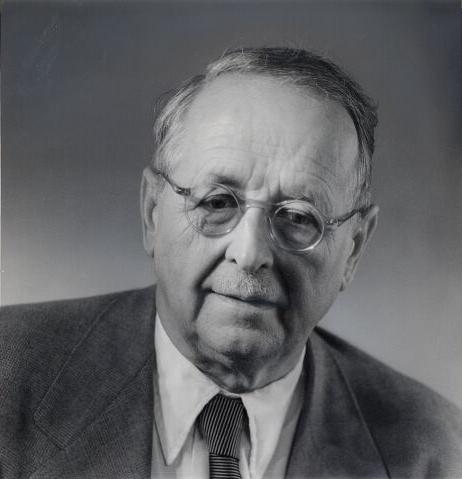
Hermann Weyl. Photo courtesy ETH-Bibliothek Zurich.
In 1928, the equations of British physicist Paul Dirac helped to describe the workings of the subatomic particles known as fermions. Within a year, other theorists – including a contemporary and schoolmate of Einstein’s named Hermann Weyl – had come up with solutions to Dirac’s equations that meant two other, quite odd types of fermions might also exist.
Proving them right would take some time, and Weyl’s quasiparticle assumed a kind of legendary status until 2015, when three separate teams confirmed its existence (my article says two, but a third popped up after I wrote it). Read on to find out more about this “ghost particle” and how it could transform electronics.